
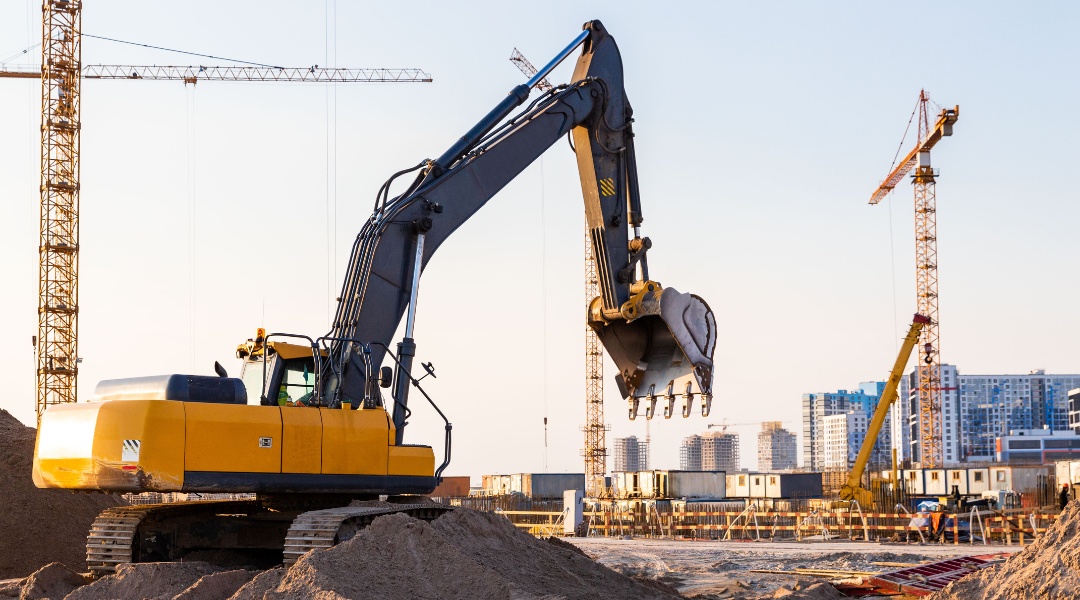
Constructing a residential or commercial building requires strategic planning to determine necessary manpower, materials, and equipment. While the required labor and materials may be planned in detail, equipment needs are often underestimated or overlooked. This results in last minute scrambling when contractors suddenly realize they lack necessary machinery for tasks like excavating, materials handling, or demolition. The delays and extra costs could easily be avoided with proactive equipment planning.
Here at Oran Transport, we can provide a wide range of essential equipment for construction projects, including grab hire and tipper hire in Reading and the surrounding areas. Follow this guide to estimate your rental equipment needs for any upcoming construction project. Doing so keeps your workflow running smoothly from groundbreaking to completion.
Step 1: Break Down the Required Tasks
Begin by thoroughly analyzing the work scope and identifying phases requiring equipment:
- Site preparation – Clearing, grading, excavating for foundations/utilities
- Foundation work – Digging footings, pouring concrete
- Framing – Lifting trusses, hoisting building materials
- Siding, roofing – Loading bundles, lifting materials up scaffolding
- Interior work – Lifting drywall sheets, moving cabinets/fixtures into place
- Site work – Grading parking lots/driveways, moving landscaping materials
Determining the equipment (if any) needed for each task prevents gaps in capability on the day of work.
Step 2: Estimate Load Weights and Volumes
Understand the scale of materials being handled. Key considerations:
- Volume of earthworks like digging basements or grading
- Weight of building materials like lumber bundles, concrete forms, pallets of masonry
- Weight capacity needed for lifts like trusses, steel beams, mechanical units
- Volume capacity needed for hauling away demolition debris or deliveries of aggregates
Accurate weight and volume estimates allow properly sizing equipment for each handling task.
Step 3: Match Equipment to Each Job Phase
With task details defined, match required machinery against each phase:
Site prep – Skid steers for clearing vegetation/debris. Large excavators for digging foundations. Off-road articulated dump trucks for mass earth moving. Compaction rollers for subgrade.
Foundation – Mini excavators to dig tight footings. Telehandlers to distribute rebar and handle formwork. Mixer trucks for concrete pouring.
Framing – Telehandlers and cranes for erecting trusses and exterior walls. Generators for powering tools.
Siding, roofing – Telehandlers or boom lifts to lift bundles up scaffolding. Generators for tools.
Interior – Telehandlers and jib cranes to lower drywall and move cabinets/fixtures inside. Scissor lifts for electrical and HVAC work overhead.
Site work – Mini excavators and skid steers for grading. Dump trucks and smooth drum rollers for paving subgrade.
Matching equipment to each task prevents shortages and keeps your schedule on track.
Step 4: Estimate Equipment Rental Duration
Avoid going overbudget with careful project schedules and equipment timelines:
- Outline each project phase with estimated start/end dates.
- Determine what equipment is needed onsite for the duration of each phase.
- Factor in hauling time if relocating equipment between phases.
- Build in a buffer window for potential weather delays or other variables.
Having equipment onsite only when essential controls rental costs. Give notice if delays necessitate extending original timelines.
Step 5: Confirm Operator Availability
Ensure qualified operators are available for running each rental unit:
- Check operator schedules against the project timeline.
- Arrange additional operators if key personnel are unavailable during planned phases.
- Verify operator qualifications and training for specialized equipment like cranes.
Lacking qualified operators can shut down work. Line them up in advance based on equipment timelines.
Step 6: Evaluate Job Site Logistics
Assess site constraints that could impact equipment delivery or operation:
- Check road access for clearance/width to accommodate trucks and trailers.
- Confirm sufficient space onsite to deploy and maneuver different units.
- Identify overhead obstacles like power lines.
- Test ground stability and grade changes.
Visiting the site with equipment dimensions in mind highlights potential challenges early.
Advance planning prevents nasty surprises and delays once your project kicks off. By accurately estimating equipment and manpower needs for each phase, you’ll complete projects on time and on budget. Oran Transport looks forward to supporting all your rental needs, keeping your construction plans running smoothly from concept to completion. You can reach our local experts directly by calling us on 0118 907 7915 or through our simple online contact form.

32phfun… hmmm, never heard of it! Is it any good? Share your thoughts guys! I’m always skeptical of new platforms but always willing to try something out as long as it pays out! Heard any good things about their customer service? Thinking about giving 32phfun a spin.
PR777Login is fast to get you in the game! The site is laid out well and easy to use. Lots of games available and customer service is very helpful. Worth checking out pr777login!
ZC777 Game Download is my latest find for mobile gaming. The graphics are awesome and there’s always something new to play. Worth a download! Get your app here: zc777gamedownload
890betlogin is great for sports betting, and it has convenient login. It makes putting down a bet easy when I feel like it. I would recommend it. Go get the action here:890betlogin
Okay, so the 1 win aviator predictor… is it even possible to predict that thing? What’s the secret sauce? 1 win aviator predictor
ABC8viplogin, alrighty then. It looks fairly standard to me. Login is straightforward I guess. If you’re curious, here’s the link abc8viplogin.
Fogo777com popped up on my radar. They have some classic stuff. Check promotions! I saw a decent bonus they were promoting. Find out more at fogo777com.
Lotus 365 download? Got it right here! Quick and easy. Been playing all night. Thumbs up, guys! lotus 365 download
Xosokh looks promising. Anyone know about their lottery options? The site seems easy enough to navigate. Check it out here! xosokh
Looking for the Yolo247 app for Android? I just downloaded from this site. So far, so good! Give them a try. yolo247appforandroid
Just tried my luck at ev99casino and had a blast! The site is slick, easy to navigate, and the games were totally engaging. Checking out ev99casino for more fun soon!
wi88bet is my new go-to! Awesome variety of games and the platform is super user-friendly. Definitely worth a shot if you’re looking for a fun online gaming experience. Check it out: wi88bet
Logging into b9casinologin was a breeze, and wow, the games are top-notch! Had a great time playing. If your looking to play check out: b9casinologin
G’day! Gave e7777game a whirl last week. Loads of different games to choose from, which is a plus. Site’s a bit flashy but it does the job. Worth a look see! e7777game
91clublogingame is where it’s at! Easy to log in, games are pretty fun, and I haven’t had any issues withdrawing. Check it out for yourself guys: 91clublogingame
Pesomaxfuncasino… name’s a mouthful haha! But hey, the games are pretty entertaining. Just play responsibly, yeah? You can find it here: pesomaxfuncasino
MGbet com seems legit! Their odds are competitive and they have a decent selection. Give them a look : mgbet com
Downloaded the mig8app the other day. Pretty smooth interface, easy to navigate. Give it a download and lets roll: mig8app
mu888bet is where its at. This is where the big dogs place their bets. Heard they paid out some seriously good odds: mu888bet
phbetviplogin? Alright, I gave it a whirl. Login was smooth. Site’s pretty clean. I’m not gonna lie. I could see myself using this again. Try phbetviplogin and tell me what you think!
Alright, b1betlogin, eh? I logged in yesterday. Found the site a little bit basic but gets the job done quick. If you just want something plain and simple, check out b1betlogin.
Yo, just checked out luckbetbr. Feels Brazilian! Colors bright, pretty simple. I haven’t won big yet, haha. Try luckbetbr and lmk what u thought!