
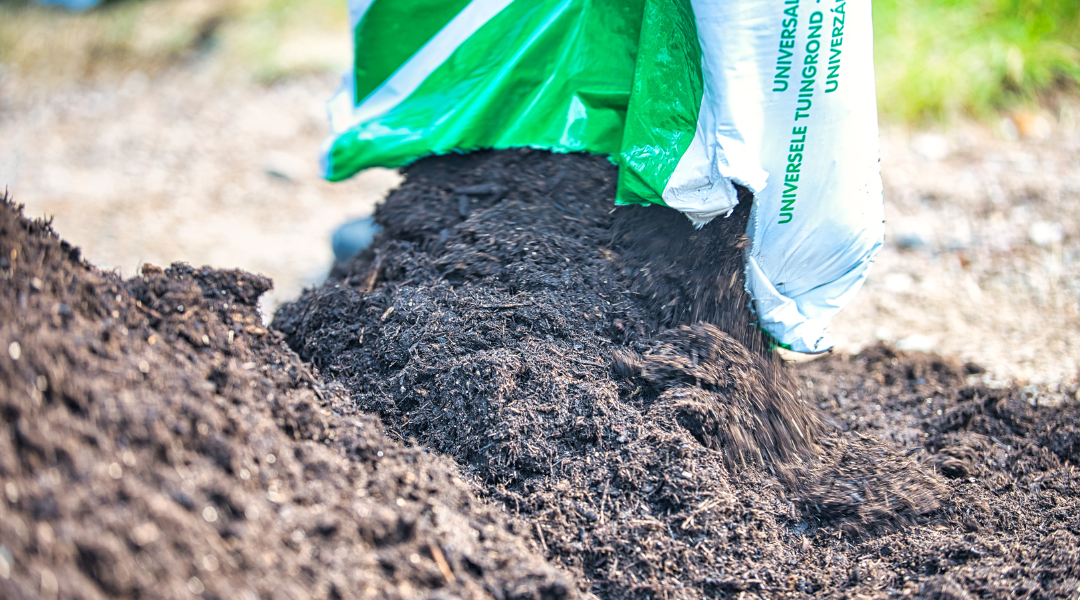
Poor drainage causes water logging that suffocates grass roots, leading to dead patches and soggy areas. Frustrated homeowners mistakenly believe they’re stuck with perpetually swampy lawns. However, quality topsoil and aggregates can transform those problem areas into well-draining turf.
This article explains how topsoil creates the light, porous structure needed for superb drainage. With renewed soil, you can enjoy lush grass instead of boggy regions. Let’s examine topsoil’s drainage benefits and how to incorporate it properly.
Compaction Causes Drainage Difficulties
Heavy foot traffic, equipment, and improper grading over time compacts native subsoil into a dense, impervious layer under the grass. Water cannot penetrate this anaerobic barrier, pooling on the surface. Roots also struggle to breach the hardened subsurface crust.
Compaction destroys soil structure in multiple ways:
- Crushes tiny air pockets needed to transmit water downward through the soil profile.
- Reduces space between soil particles where air and moisture should occupy.
- Restricts organic matter that maintains open soils. Loss of soil biota like earthworms also worsens compaction.
- Causes top layers to shed water across the surface rather than absorb it. Runoff accelerates erosion.
Poor drainage stresses grass, encouraging weeds and bare patches. But grass decline merely highlights a deeper infrastructure problem – the broken soil system.
Topsoil Restores Porous Soil Structure
Ordinary fill dirt contains minimal organic content and biology. But premium topsoil offers:
- Organic matter – Materials like aged compost, manures, wood chips, straw, and peat create a lighter soil composition that resists compaction. Organics foster crucial soil life.
- Aggregation – Topsoil’s varied particle sizes and sticky organic compounds bind micro-aggregates together into a structure full of tiny voids for air and water movement.
- Deep roots – Grass plants develop intricate root networks in loose topsoil. These channels provide pathways for excess water to keep percolating down.
- Improved infiltration – Water readily penetrates the topsoil’s porous composition instead of pooling up.
- Moisture retention – Spongy organic matter holds moisture after initial drainage for plant access between rains.
With proper topsoil installation, great drainage and vigorous grass growth go hand-in-hand.
How Much Topsoil is Needed?
For substantial drainage improvement, aim for:
- Minimum 6-inch topsoil layer for lawns
- 8+ inches for optimal performance
- Up to 12 inches for chronic wet spots
When estimating needs:
- Measure area length x width to get total square footage
- Multiply square footage by desired depth in inches
- Divide by 324 to convert to cubic yards
- Multiply cubic yards by 1.2 tons per cubic yard for the total tonnage required
Oran Transport delivers premium screened topsoil blended for your region and project needs. Don’t just mask symptoms – treat the root cause of poor drainage!
Topdressing Technique Matters
Proper installation and amendment ensures great outcomes:
- Loosen subgrade thoroughly via aeration or rototilling to a 4-6 inch depth.
- Grade and slope for positive drainage, removing any high spots trapping water.
- Apply 1-2 inches of blended compost to increase organic content if needed.
- Install topsoil in thin 2-3 inch layers. Settle each layer before adding more to prevent seam gaps.
- Slowly water each layer to properly settle soil without eroding fines or causing compaction.
- Slightly mound the final grade to allow for minor settling.
- Overseed or sod lawn grass to stabilise the soil surface.
With renewed soil structure, your lawn will drain like a dream. Contact Oran Transport to discuss topdressing options tailored for your unique trouble spots and terrain. Don’t tolerate swampy areas – achieve durable drainage with rejuvenated topsoil.

Feeling lucky? Might wanna check out 23winslot. They’ve got a bunch of different slots and I’ve had okay luck so far, lol. Give it a shot, ya know? 23winslot
Aight, so I tried out Taivn88 and gotta say, it’s not bad! The platform’s pretty smooth and easy to navigate. If you’re looking for something new, head over to taivn88 and see if it’s your thing.
Yo, the 188bet88betapp is legit! Super convenient for betting on the go. Easy to use and doesn’t lag like some other apps. Download it and give it a whirl at 188bet88betapp.
Alright gamers, x89gameapk on my radar! Downloading now – let’s see if this thing bangs. Giving it a whirl tonight! Here’s the link: x89gameapk
Heard about ku11kubet11 from a friend, and gotta say, it’s not bad! Lots of games to choose from. Definitely a site worth exploring when you are bored ku11kubet11
If you are looking to find a place to relax and bet, then chillbetnet is for you. It has many options to consider. Sign up today chillbetnet
Entrar na Blaze foi uma das melhores decisões que tomei ultimamente! A plataforma é super fácil de usar e tem jogos pra todos os gostos. Se você tá procurando um lugar pra se divertir e quem sabe ganhar um dinheirinho, não perca tempo. Corre lá: entrar na blaze
I’m on the hunt for some great ‘frriv’ games. Fingers crossed I find something awesome! Discover frriv on this website.
Anyone else eagerly waiting for the Bạc Liêu đài lottery results? I’m glued to xosobaclieu.info until they’re out! Cross your fingers! Check the results now: xổ số kiến thiết đài bạc liêu hôm nay
Yo, TG77711 is my go-to. Been using it for ages and the payouts are consistently quick. Solid choice if you ask me. Check it out tg77711
FT88no1? Definitely one of the better platforms I’ve tried. Offers a good range of options, and I haven’t had any issues. Big ups! You can visit it here ft88no1
BJ38ai is OK, nothing special. Pretty standard fare, but not bad. Look at yourself here bj38ai