
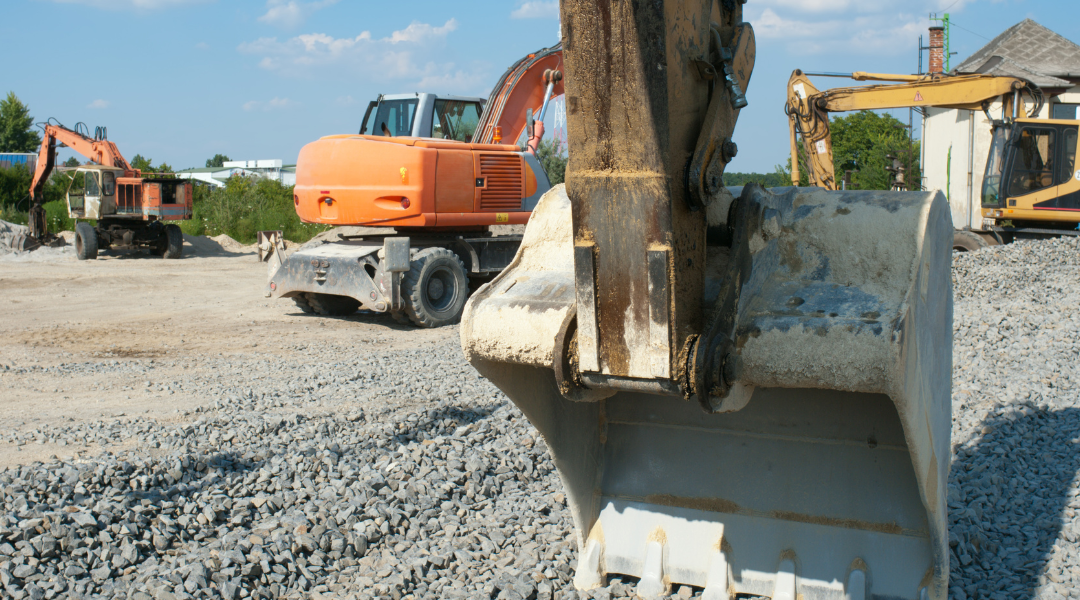
Operating heavy equipment often feels like you’re commanding a powerful beast. One small mishap can lead to catastrophic consequences if you’re not extremely careful. At Oran Transport, we never want accidents or injuries overshadowing the achievements made on job sites. We’re committed to empowering operators with the knowledge to handle equipment rentals safely.
This guide details tips to protect yourself and others when operating machinery, such as grabbers and tippers. Consider it your checklist for taming the metal beasts and avoiding the hazards that sometimes burst forth on bustling job sites. With dedication to safety, you’ll finish each shift feeling accomplished, not anxious about close calls.
Conduct Thorough Inspections to Prevent Mid-Job Surprises
Inspections are tedious, but they catch issues before they burst into major problems once you’re operating machinery. Skipping inspections is like flipping a coin and betting your safety on the results.
Set yourself up for success by thoroughly inspecting equipment before startup. Use the rental unit’s manual as you scan every component. Here are common culprits of nasty surprises:
Fluids
Fluids that are low or leaking can rapidly snowball into equipment failure or fires. Replenish these vital fluids:
- Engine oil – Helps prevent catastrophic engine damage. Look for leaks around the crankcase.
- Coolant – Maintains proper engine temps. Inadequate coolant can cause overheating.
- Transmission fluid – Provides lubrication for gears. Low levels lead to accelerated wear.
- Hydraulic fluid – Powers brake systems, steering, attachments, etc. Leaks are extremely dangerous.
- Brake fluid – Enables safe stopping. Inspect lines and hoses for leakage.
- Fuel – Don’t let the tank dip below half full to prevent stalling at inopportune times.
Tires
Tires connect the multi-ton machine to the earth. Inspect for:
- Proper inflation – Helps avoid blowouts. Use a gauge to check pressure.
- Damage – Look for cuts, gouges, and abnormal wear. They compromise stability.
- Tread depth – Inadequate tread reduces traction significantly.
Controls & Cab
Make sure your controls are responsive so you can react quickly:
- Pedals & levers – Should operate smoothly without sticking.
- Buttons & switches – Confirm they activate properly when pressed.
- Seat belts – Frayed belts can burst apart in a crash. Check the latch locks securely.
- Gauges – Look for cracked covers and ensure proper readings. Replace inaccurate gauges.
- Mirrors – Adjust for optimal visibility. Clean off mud or dust buildup.
- Cab – Clear away trash and secure loose tools that could jam pedals.
Attachments
Check the “mouth” of the equipment:
- Teeth – Replace broken or worn teeth on buckets and blades.
- Edges – Ensure attachments have sharp clean edges without dents.
- Connecting pins – Impact and vibration can loosen pins. Confirm no wobble.
- Hoses & lines – Look for cracks and leaks in hydraulic hoses.
Stay Focused Once Operating – Lives Depend On It
Construction sites are chaotic environments. Hazards seem to jump out when you least expect them. Staying focused helps you react quickly:
- Remain alert – Scan continuously for other machines, workers, vehicles, and hazards. Avoid distractions.
- Move slowly – Sudden acceleration or braking causes shifting loads and instability. Gentle movements are safer.
- Use extra care on slopes – Travel straight up/downhill to avoid dangerous rollovers. Equipment can gain speed rapidly on steep grades.
- Keep blades low – Carrying blades high when moving raises the center of gravity and tipping risk.
- Use a spotter when needed – They can alert you of risks like overhanging loads or tight squeezes.
- Stay off phones – Texting or calls divert attention. Program navigation before moving the vehicle.
- Secure the cab – Brace or tie down thermoses, tools, and other items that could turn into projectiles.
Bursts of debris, blind corners, trenches, and dropoffs are some hazards that can appear suddenly on the job site. Your focus and reactions make the difference between safety and catastrophe.
Lifting & Hauling Requires Special Care
Equipment like cranes and telehandlers rely on you to assess every lift and haul carefully:
- Check capacity plates – Know the machine’s limits for lifting at specific extension radii and boom angles. Exceeding them can cause disastrous collapses.
- Inspect rigging – Use only certified rigging hardware like slings, shackles, and chokers. Replace worn or damaged pieces before failures occur.
- Communicate with spotters – Their signals guide you safely. Stop operations if you lose sight of them.
- Expect shifting loads – Loads can swing when lifted. Keep the travel path clear and move slowly.
- Never lift people – Makeshift “man cages” are extremely dangerous. Use approved platforms designed for human lifting.
- Follow traffic rules – Travel with loads low. Come to complete stops at signs and signals. Inspect routes for low bridges or cables.
With heavy loads, small misjudgments become amplified into massive accidents. Never rush or take risky shortcuts.
Watch Out for Those Around You
Failure to notice your surroundings impacts more than just yourself. Keep others safe with good communication and vigilance:
- Maintain eye contact – Trade signals with ground workers continuously so they can stay clear of danger zones.
- Yield right of way – Let pedestrians and other vehicles pass first before moving.
- Note ground conditions – Spot soft soils, slopes, drop-offs, holes, etc. that could give way under the machine’s weight.
- Ensure adequate ventilation – Prevent dangerous buildup of fumes if working indoors.
- Keep clear of power lines – Consult local utility rules for the minimum safe operating distances. Coming too close can have electrifying consequences!
Your stable, reliable machine might seem indestructible. But even small collisions with people or objects can cause serious harm. Safety hinges on you staying consciously aware of everyone’s position.
Secure Equipment Properly After Operation
Taking shortcuts when shutting down equipment can lead to runaway accidents:
- Park on solid level ground – Engage the parking brake even if only stopped briefly.
- Lower attachments fully – Leaving buckets and forks raised creates a tipping hazard.
- Chock wheels – Place blocks behind tires to prevent any rolling if parked on an incline.
- Lock controls and remove keys – Doing so prevents tampering.
- Maintain 3 points of contact – Face the machine as you descend using both hands and one foot.
- Leave the cab tidy – Secure loose items and cleanup any garbage.
The job’s not done until you’ve safely shut down and secured the equipment properly. Prevent problems for the next operator by ending your shift the right way.
Speak Up About Mechanical Issues
Don’t remain silent if you notice any of these red flags:
- Leaking or spraying fluids
- Loose, wobbling, or missing parts
- Cracks, dents, or damage to components
- Squishy pedals or unresponsive controls
- Unusual noises like grinding or squeaking
Report issues immediately so Oran Transport can perform repairs before hazards lead to harm. We appreciate you speaking up about problems so we can address them promptly. If repairs take time, we’ll provide alternate rental equipment so your work isn’t hindered.
Make Safety Training a Habit, Not a Hassle
Some operators consider training to be a hassle and try skipping refresher courses. But establishing safety habits requires ongoing training and practice. Regularly complete courses like:
- Forklift operator certification
- Fall protection
- Load securing for hauling
- Workplace hazardous materials (WHMIS)
- First aid
- Ministry of Labour construction safety
When safety training becomes ingrained in your work habits, you’ll handle equipment more confidently and avoid dangerous mistakes that sometimes burst forth on bustling job sites.
For Grab Hire & Heavy Machinery You Can Trust, Call Oran Transport
Heavy machinery seems indestructible but it ultimately depends on your care and focus. Follow the tips outlined here to avoid mishaps with your rental equipment. We want you completing your projects productively and returning home to your loved ones safely each day. Your diligence ensures hazardous situations don’t arise and allows the job site to shine.
Here at Oran Transport, we can provide a complete range of grab and tipper hire services to suit your needs. Whether you’re looking for local grab hire for a domestic or commercial project, don’t hesitate to get in touch with our experienced team today. You can reach our local experts directly by calling us on 0118 907 7915 or through our simple online contact form.

Alright, stumbled upon linhvaow88. Seems like they got some interesting stuff going on. I’ll be giving it a shot and see if it’s worth recommending! Here’s the Link: linhvaow88
Alright, m666gamedownload saves the day again. Needed a game, got it downloaded fast. No dodgy stuff, just straight-up downloads. Find your next game at m666gamedownload now!
Just stumbled on m666. Not bad! Seems like a solid resource. Will definitely be back to see what else they’ve got. Explore at m666!
C333bet is my new go-to. Easy to navigate, and the games are fun to play. Give it a shot if you’re looking for something new. Here’s the link c333bet
UNIQLO PHILIPPINES SALE IS NOW ON! Stock up on your staples at uniqlophilippinessale. Worth checking out before everything runs out!
F1680mobi is a solid choice for mobile accessibility. Easy to play on the go without lag. Might want to give it a try: f1680mobi
Alright guys, feeling lucky! Gonna hop onto 33jlcasino and see if I can win some $$$. Anyone played there before? What do you think? See for yourself : 33jlcasino
Jiliplaydonnalyn… sounds interesting! Giving it a whirl tonight. Hopefully, it’s a fun and potentially rewarding experience! Worth trying : jiliplaydonnalyn
Gotta try my luck on Jiliplay999! It sounds promising, right? Any insider tips? Hoping to see some good wins! Give it a try: jiliplay999
Hey guys, been checking out whinph lately and it’s pretty solid. Easy to get around and the games are fun. Give it a go! Here’s the link to whinph
Codere México is the real deal for us Mexicans looking for a legit online gaming experience. Been using it for ages and never had a problem. codere méxico
Hear ‘poker baazi’ is where the action is. Gonna check it out, see if I can win some real cash. Fingers crossed! poker baazi
Hey everyone, just wanted to share ket qua8.net. It’s pretty handy for finding the numbers you’re looking for! Give it a look: ket qua8.net
Been using w388bet. me for a few weeks now and no issues. Pretty straightforward site and the games are fun. Give it a look if you want something different! Check it: w388bet. me
I’m not one to bet, but I tried it. x777betgame isn’t bad! Pretty straightforward to use and I have had a good time. x777betgame
Betano?! Okay, I have heard of it. Seems legit, decent odds, and a fairly user-friendly interface. If you’re looking to place some bets in Brazil, maybe give it a look-see. br.betano
Nesinecom, I’ve heard of it before. Great for checking scores and placing some bets, it is pretty straightforward. A good spot if you’re into sports in Turkey! nesinecom
Para los que les gusta jugar desde el celular, el 777casinoapplogin es una buena opción. Es fácil acceder y jugar desde la app. Échenle un vistazo a 777casinoapplogin.
Struggling to remember my Jili50 login details! Anyone else have this problem? Haha! Here’s the login page anyway: jili50 login
Looking for the MNL63 app. Downloaded it, pretty smooth so far. Games load fast. Definitely worth checking if you play mobile lots: mnl63 app download
türkiye’nin en iyi req bet, escort hit botu. alanında bir numara. Rakipsiz, dünyanın en iyi escort ve bet hit botu. kafaya alan ücretsiz bet escort hit botu. https://www.r10hitbotu.com/ https://www.r10hitbotu.com/ https://www.r10hitbotu.com/ [ftfjiixblvtvzqbkmv]